
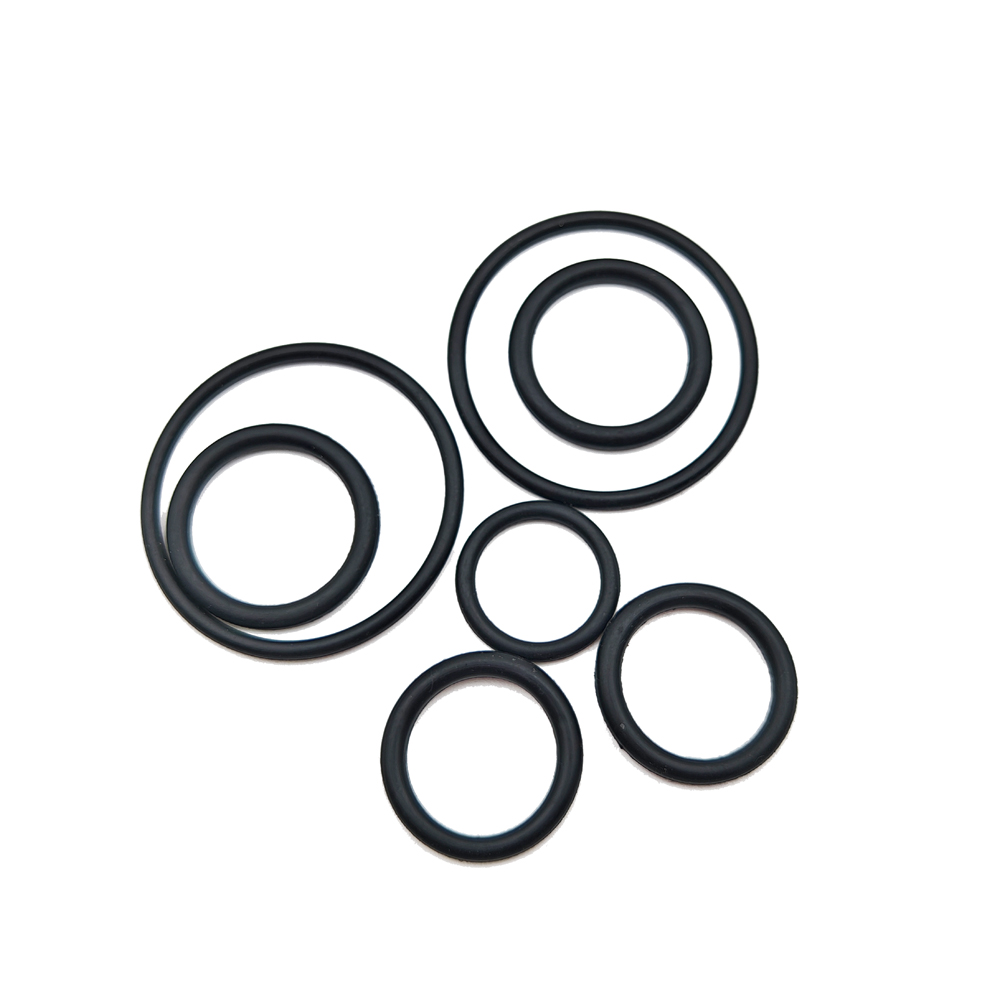
O-ring EPDM
An O-ring EPDM (Ethylene Propylene Diene Monomer) is a high-performance sealing solution known for its exceptional resistance to weathering, ozone, and UV radiation. Designed for durability, EPDM O-rings operate reliably across a temperature range of -50°C to +150°C. They are the ideal choice for outdoor environments, HVAC systems, and applications involving hot water or steam. Want to explore the technical advantages? See the details below.
Showing 1–18 of 1673 results
-
-
-
-
-
-
EPDM O-Rings
O-Ring 10.2×1.9mm | EPDM | 70 Shore A | Black | High Performance Seal
$0.14 Add to cart -
EPDM O-Rings
O-Ring 10.2×2.4mm | EPDM | 70 Shore A | Black | High Performance Seal
$0.12 Add to cart -
EPDM O-Rings
O-Ring 10.6×1.8mm | EPDM | 70 Shore A | Black | High Performance Seal
$0.12 Add to cart -
EPDM O-Rings
O-Ring 10.8×3.1mm | EPDM | 70 Shore A | Black | High Performance Seal
$0.17 Add to cart -
-
-
-
-
EPDM O-Rings
O-Ring 100×3.55mm | EPDM | 70 Shore A | Black | High Performance Seal
$1.34 Add to cart -
-
-
-
Premium EPDM O-Rings
Engineered for extreme environments. Offering superior resistance to ozone, weathering, and hot water/steam. Operating reliably from -50°C to +150°C.
What is an O-ring EPDM?
EPDM (Ethylene Propylene Diene Monomer) is a highly durable synthetic elastomer often referred to in the market by trade names such as Nordel®, Keltan®, or Vistalon®. At VanyTol, we manufacture premium EPDM sealing solutions designed to excel where other rubbers fail. It is a highly popular choice for outdoor and water-based applications.
Unlike oil-resistant materials like NBR, EPDM is the gold standard for resistance to heat, water, and outdoor aging. With a standard operating temperature range of -50°C to +150°C, EPDM O-rings are indispensable in the automotive, plumbing, HVAC, and construction industries. While EPDM O-rings have limited resistance to petroleum-based fluids, their unmatched stability against environmental factors makes them one of the most reliable seals globally.
How is the EPDM O-ring made?
The EPDM O-ring is a synthetic elastomer produced by the copolymerization of ethylene, propylene, and a diene comonomer. This unique molecular structure results in a material that is incredibly strong, flexible, and chemically stable. It provides the material with its characteristic resistance to ozone, UV light, and weathering.
The ratio of these monomers can be adjusted to fine-tune the rubber’s properties. To achieve its final durable form, EPDM O-rings are vulcanized using either sulfur or peroxides. Sulfur curing offers excellent tear strength and is cost-effective, while peroxide curing provides superior heat resistance and a lower compression set.
Composition and production process
The choice of curing system directly influences the rubber’s performance. Peroxide-cured EPDM can withstand higher temperatures (often compared to properties found in high-end Nordel® compounds) and is preferred for hot water and steam applications. These precise manufacturing features make the VanyTol EPDM O-ring the right choice for demanding environments.
Chemical and mechanical properties
The EPDM O-ring is renowned for its chemical and mechanical performance in specific media. It is highly resistant to polar solvents (like ketones and alcohols), glycol-based brake fluids, diluted acids, and alkalis. It features excellent wear resistance and maintains flexibility even at extremely low temperatures (-50°C).
Advantages of the EPDM O-ring
Choosing EPDM O-ring products ensures your systems remain securely sealed even under extreme weather or high-temperature moisture conditions.
Weather & UV resistance
The EPDM O-ring is known for its exceptional stability against ozone and UV radiation. It will not crack, harden, or degrade when exposed to direct sunlight and outdoor environments for long periods.
Steam & hot water performance
It is one of the best elastomers for water systems. Premium EPDM (comparable to Keltan®) maintains its sealing integrity in hot water and low-pressure steam environments where other materials might fail.
Wide temperature range
With a temperature range of -50°C to +150°C, the EPDM O-ring performs reliably in extreme climates. It remains remarkably flexible in freezing conditions while staying durable at high heat.
Chemical stability
Highly resistant to polar solvents, detergents, and alkalis. It also performs excellently in automotive brake systems using DOT 3, DOT 4, or DOT 5.1 glycol-based fluids.
Applications of the EPDM O-ring
The EPDM O-ring is a critical seal in industries that deal with water, steam, and outdoor exposure.
- HVAC and Cooling systems: Ideal for radiator hoses, air conditioning seals, and heating pipe connections due to its resistance to coolants and temperature fluctuations.
- Plumbing and Water systems: Frequently used in faucets, filtration systems, and valves. (Specific food/water grade certifications may apply).
- Automotive Industry: Critical for braking systems and window/door seals that face constant weather exposure.
Drawbacks and limitations of the EPDM O-ring
While the EPDM O-ring is incredibly durable, there is one critical limitation you must consider:
- Petroleum Incompatibility: EPDM is strictly NOT compatible with mineral oils, petroleum-based oils, greases, gasoline, or hydrocarbon fuels. Exposure to these fluids will cause the O-ring to swell rapidly and fail.
- Food Contact: While many EPDM compounds are water-safe, if your application involves food oils or fats, EPDM is not suitable.
Alternatives to the EPDM O-ring
If your application involves oils or fuels, EPDM falls short. Choosing the right material is crucial for safety and lifespan.
- NBR (Nitrile) O-rings: If your system uses hydraulic fluids, motor oil, or fuels, NBR is the industry standard choice due to its excellent oil resistance.
- FKM (Viton®) O-rings: For extreme environments involving both high temperatures (over +200°C) and aggressive chemicals or fuels, FKM (Viton® is a trademark of Chemours) is required.
Why choose VanyTol for your EPDM O-rings?
The EPDM O-ring is the ultimate sealing solution for weather, water, and steam applications. While in the market you may come across brand names such as Nordel®, Keltan®, and Vistalon®, VanyTol offers top-tier, cost-effective EPDM seals directly from our manufacturing facility. Whether you need standard sulfur-cured rings or high-performance peroxide-cured custom molded components, we ensure strict quality control. Contact us today for reliable outdoor and HVAC sealing solutions.