
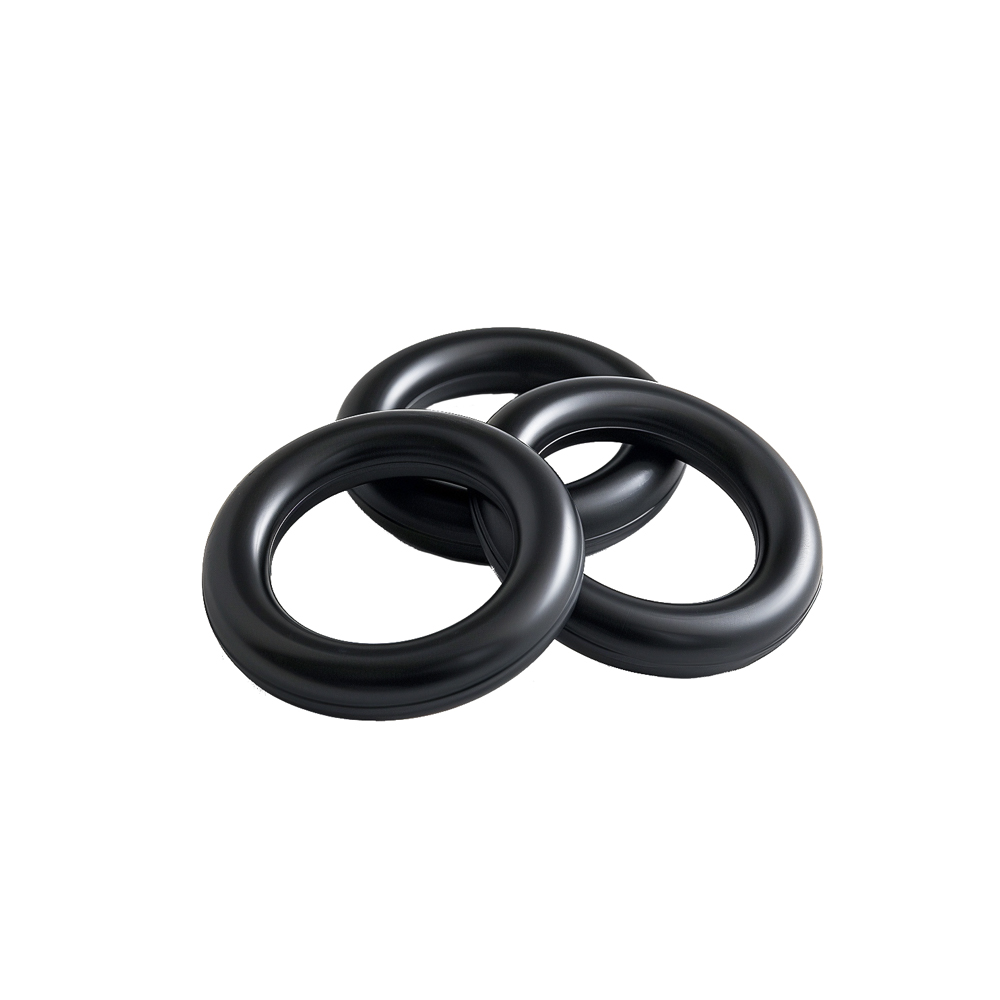
O-Ring 2.0 x 1.5 mm · NBR (Nitrile) · 70 Shore A
High-performance static & dynamic sealing for mineral oils, fuels, and lubricants — excellent value & durability.
Dimensions (ID x CS)2.0 mm (inner diameter) × 1.5 mm (cross section)
MaterialNBR (Nitrile rubber / Buna-N)
Hardness (Shore A)70 ± 5 — high wear & extrusion resistance
ColorBlack (standard, carbon reinforced)
HS Code40169300
Temperature range-30°C to +100°C (stable); some manufacturers rate -40°C to +135°C depending on application
⚙️ Key Features & Advantages
💰 Cost-effective
Mature manufacturing process, one of the most widely used & affordable rubber sealing solutions.
Mature manufacturing process, one of the most widely used & affordable rubber sealing solutions.
🛡️ Excellent mechanical strength
Superior abrasion and tear resistance for long service life.
Superior abrasion and tear resistance for long service life.
🔄 Low compression set
Maintains elasticity after long-term compression → reliable sealing performance over time.
Maintains elasticity after long-term compression → reliable sealing performance over time.
🔩 80 Shore A hardness advantage
Outstanding extrusion resistance and wear performance, especially suited for high-pressure or dynamic applications (e.g. hydraulic cylinders).
Outstanding extrusion resistance and wear performance, especially suited for high-pressure or dynamic applications (e.g. hydraulic cylinders).
🛢️ Material Compatibility — NBR
✅ Recommended media
- • Mineral oils, fuels (gasoline, diesel), lubricating oils
- • Vegetable & animal oils / greases
- • Petroleum-based hydraulic fluids (H, HL, HLP series)
- • Selected fire-resistant fluids: HFA, HFB
- • Water (ambient temperature applications), silicone oils & greases, alcohols
⛔ Not compatible with
- • Polar solvents (ketones, MEK, acetone)
- • Strong acids & oxidizing agents
- • Non-polar oils (aromatic hydrocarbons, benzene, toluene)
- • Phosphate-ester based fire-resistant fluids (HFD)
- • Glycol-based brake fluids (DOT3, DOT4, DOT5.1)
⚠️ Usage Limitations
🌞 Ozone & UV sensitivity
NBR rapidly ages under direct sunlight or ozone-rich atmosphere → not suitable for outdoor exposure without protective coating.
🌡️ Hot water / steam
Sealing performance degrades in hot water; recommended max temperature in water is +60°C. Not suitable for steam.
💧 HFC (water-glycol) fluids
Compatibility limited; maximum continuous temperature should be reduced to approx. +50°C in HFC media.
⏳ Atmospheric aging
Gradual hardening and cracking when stored in open air — avoid prolonged air exposure without protection.
⚙️ Dynamic pressure limit
For reciprocating or rotary dynamic seals, maximum working pressure should be kept below 5 MPa (725 psi) to prevent extrusion.
💡 Typical Applications & Industry Use
🚗 Automotive
Engine oil seals, fuel systems (petrol/diesel), power steering, timing covers, and transmission components.
Engine oil seals, fuel systems (petrol/diesel), power steering, timing covers, and transmission components.
🏭 Industrial hydraulics & pneumatics
Hydraulic cylinders, valves, pumps, pneumatic cylinders, and general pneumatic line seals.
Hydraulic cylinders, valves, pumps, pneumatic cylinders, and general pneumatic line seals.
🔧 General machinery
Compressors, gearboxes, static flange seals, cover plates, and low-to-medium pressure connectors.
Compressors, gearboxes, static flange seals, cover plates, and low-to-medium pressure connectors.
💰 Economy sealing solution
Excellent choice for cost-conscious OEM and maintenance applications where petroleum-based fluids are present.
Excellent choice for cost-conscious OEM and maintenance applications where petroleum-based fluids are present.
💡 Design note: The 2×1.5 mm O-ring fits miniature grooves and compact assemblies. Ideal for small-bore hydraulic adapters, solenoid valves, and pneumatic fittings.
✔️ RoHS compliant (on request)
✔️ Fast delivery & custom sizes available
✔️ Replacement for DIN 3771 / ISO 3601-1
✔️ Fast delivery & custom sizes available
✔️ Replacement for DIN 3771 / ISO 3601-1
Technical data based on industry standards (ISO 3601-1, NBR properties). Always validate compatibility with actual operating conditions (pressure, temperature, fluid chemistry). For extreme environments, consider FKM, HNBR or EPDM alternatives.
Reviews
There are no reviews yet.